The Trump administration is out of patience with rogue federal judges blocking common-sense election integrity measures, and on Monday it went straight to the Supreme Court to demand the mess get sorted out.
The executive order at issue is straightforward: before the Postal Service mails out federal ballots, states must verify their voter rolls against DHS and Social Security Administration data to confirm the recipients are actual American citizens. Mail-in ballots go out in secure, tracked envelopes with barcodes. States that refuse to comply lose federal election funding.
None of this is complicated. None of it is controversial to anyone who believes elections should be decided by eligible American voters rather than whoever happens to receive a ballot in the mail. And yet nearly two dozen states and Washington D.C. sued the moment the order was signed, calling it “voter suppression” — which is what Democrats call any measure that makes it harder for ineligible people to vote.
The legal journey has been predictably chaotic. A Massachusetts federal judge blocked the order. Then stayed his own block. Then re-blocked it after an appeals court split 2-1, with both Biden and George W. Bush appointees siding against the measure and the Trump-appointed judge voting to allow it to proceed. The result is an executive order sitting in legal limbo while the November midterms approach and states continue mailing ballots without any citizenship verification whatsoever.
Enter the Supreme Court. The administration filed an emergency application Sunday asking for the order to be cleared immediately.
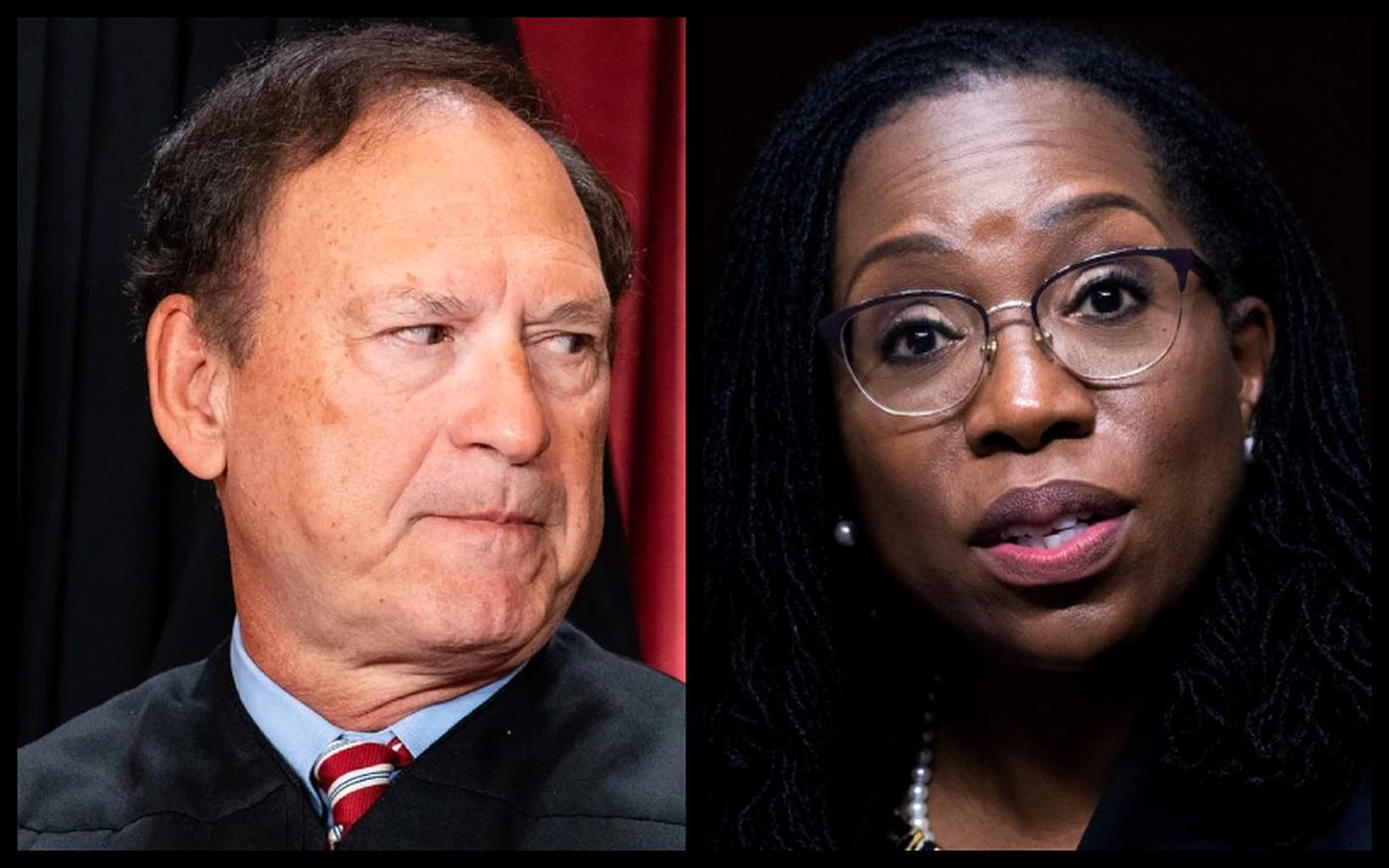
The first response came from Ketanji Brown Jackson — who, as the circuit justice covering the First Circuit, received the application first. She declined to grant an immediate stay. Instead she gave plaintiff states seven days to respond.
Seven days. With 100 days until the midterms and state ballot operations moving forward without verification, every day of delay is a day the executive order can’t do the job it was designed to do.
The media’s talking point — dutifully echoed in the Washington Post’s coverage — is that Trump’s claims of widespread voting irregularities lack evidence. New Jersey just found 6,600 noncitizens registered to vote, with nearly 400 who actually cast ballots. The Trump administration has identified 270,000 noncitizen registrations across just four states that cooperated with federal data requests. Alaska, to its credit, is already mailing verification letters to suspicious registrations — and found approximately 3,000 in need of review. The “no evidence” claim died the moment Mikie Sherrill held that press conference.
The full Supreme Court will now see the emergency application. Six justices were appointed by Republican presidents. The constitutional authority of the executive branch to direct how USPS handles federal election mail is well-grounded in law.
The administration went to the right place. The answer had better arrive before the ballots do.