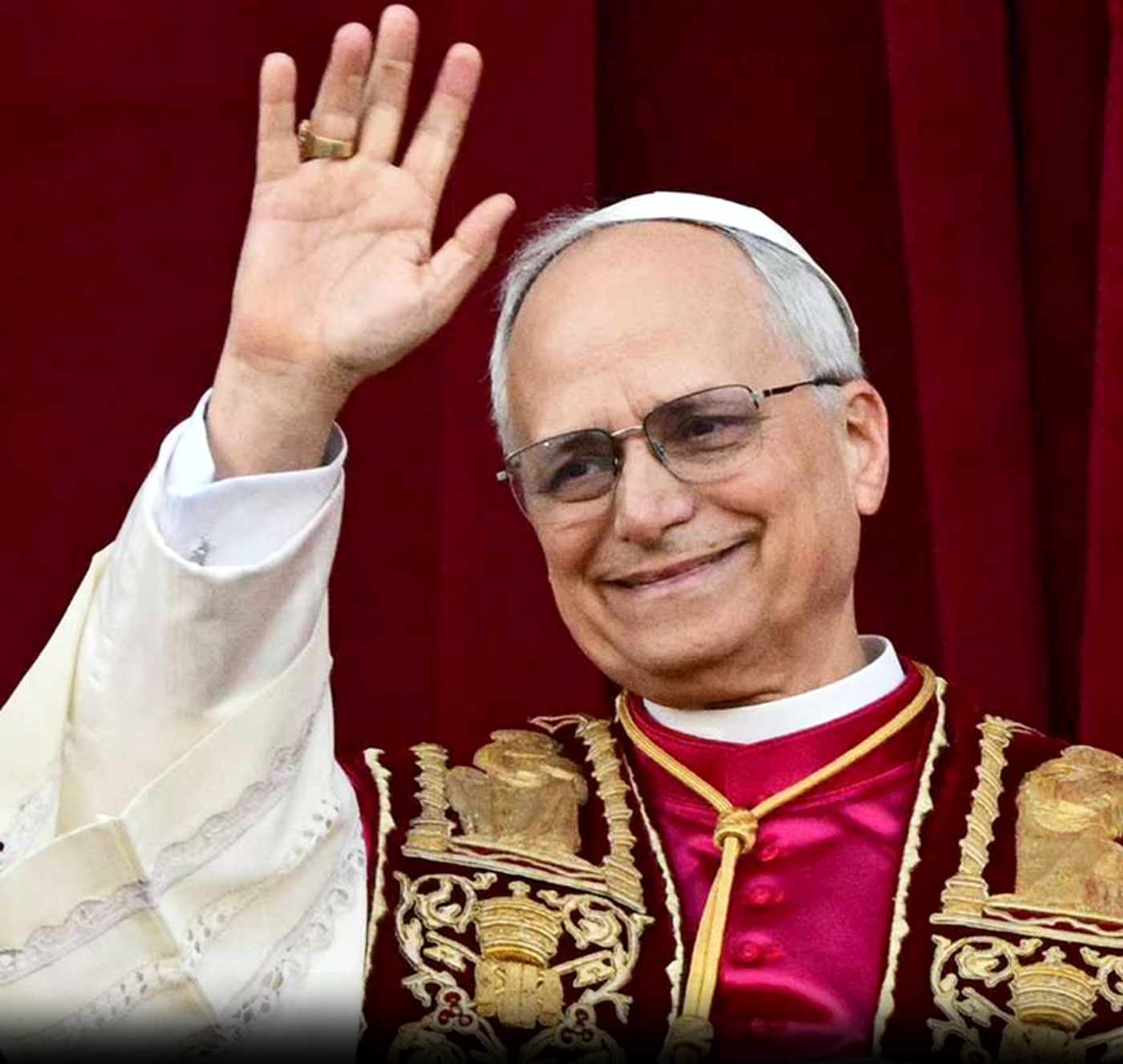
When the news broke that Robert Francis Prevost would become the first-ever American pope, many were curious about what this would mean not only for the Catholic Church but for his lifestyle as well. One big question on everyone’s mind: how much does the Pope get paid?
What does the Pope actually get paid?
While the Pope is one of the most powerful figures in the world, both spiritually and politically, the answer might surprise you. The Pope doesn’t earn a traditional salary, and the role itself is far removed from the lucrative paychecks most high-profile positions enjoy.
The Vatican, the world’s smallest independent state in the world, ensures the Pope’s every need is met, covering everything from accommodation to travel, food, healthcare, and security. Pope Leo XIV, like his predecessors, won’t be pocketing a regular salary but will be provided with an all-expenses-paid life. This means a lavish residence, meals, and access to a fleet of vehicles — all provided for him.
Pope Leo XIV will follow in Francis’ footsteps
The tradition of a pope not drawing a paycheck is not new. Pope Francis, who led the Church from 2013 until 2025, was famously frugal, often choosing to live simply and reject any personal income. For example, in 2017, Pope Francis received a surprising gift – a nearly $950,000 Lamborghini Huracán. Known for his modest lifestyle, he could have easily kept the luxury car as a symbol of status, but instead, he chose to auction it off. The proceeds from the sale were donated to humanitarian causes.
What about the Pope’s wealth?
Despite not earning a salary, the Pope is far from impoverished.Estimates of Pope Francis’s net worth, which includes access to papal assets and Vatican-funded services, have been reported to be as high as $12 million. This figure reflects the unique privileges and resources available to the Pope, including property, vehicles, and charitable donations. These resources, however, are primarily used to fulfill his papal duties and support those in need. For example, during his tenure, Pope Francis made large charitable donations, including $215,000 to support prisoners in Rome. His primary purpose is to promote the well-being of others, and the Pope’s resources are used to continue that mission, rather than for personal indulgence.The Vatican’s financial landscape
The Vatican’s finances are supported by several sources, including donations from Catholics worldwide, income from tourism, and revenue from the Vatican Museums. However, the Central Intelligence Agency’s World Factbook estimated that in 2013, the Vatican’s revenues were around $315 million, while its expenditures totaled approximately $348 million.
In 2023, the Vatican reported an operating deficit of $90 million, raising concerns about the future stability of its pension funds for Vatican employees.
In response to these ongoing financial difficulties, Pope Francis implemented salary cuts in 2021, reducing pay for senior clergy members like cardinals and bishops in an effort to curb spending and promote transparency.A different kind of wealth
While the Pope doesn’t get paid in the traditional sense, the resources at his disposal are considerable. The Vatican ensures that all his needs are covered, from housing in lavish residences to funding for charitable causes. Yet, despite these privileges, the Pope’s life is about service, and Pope Leo XIV is likely to follow in the footsteps of his predecessors, focusing on helping others rather than accumulating wealth.As the first American pope, Pope Leo XIV’s approach to the papacy will undoubtedly be scrutinized. But his salary — or lack thereof — reminds us that the papacy, at its core, is a role rooted in humility, simplicity, and the pursuit of spiritual devotion, not financial gain.