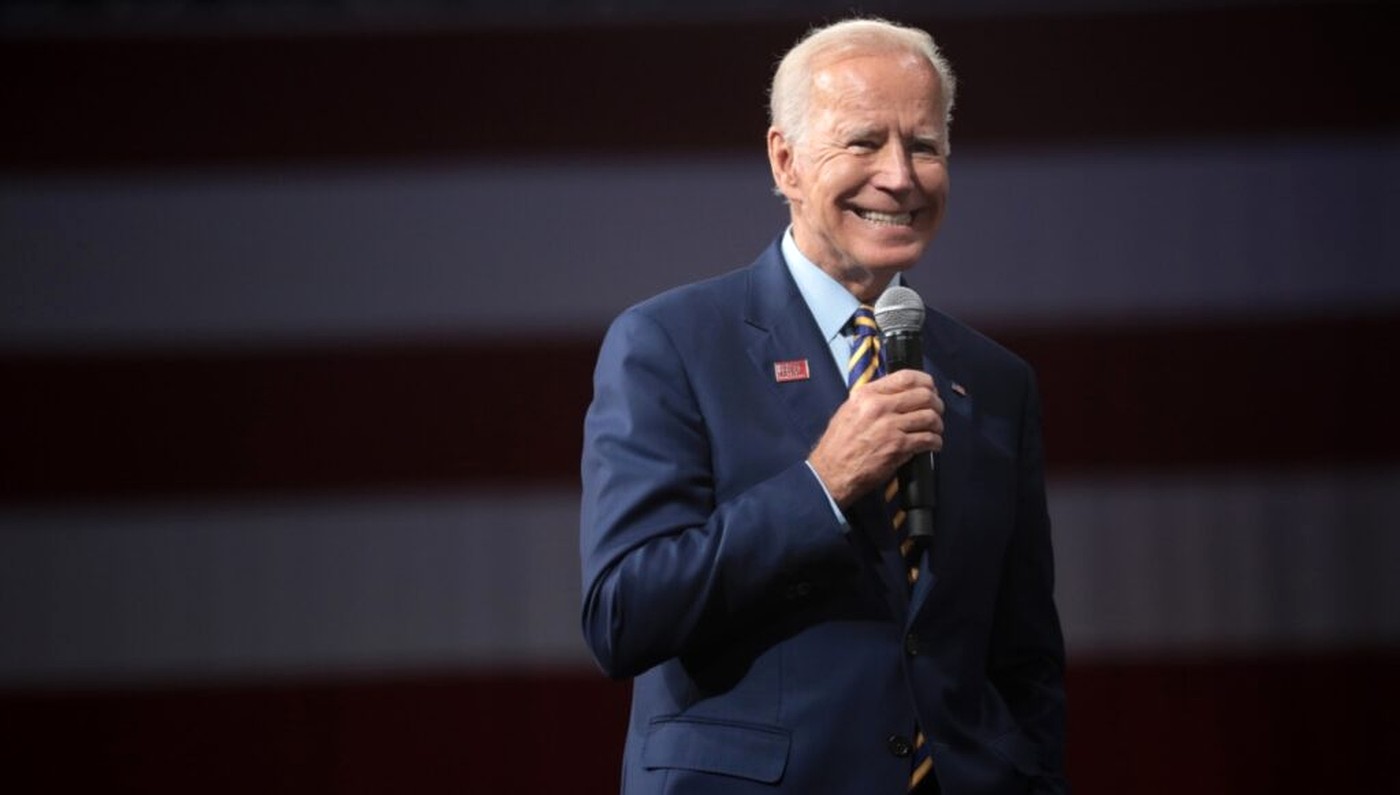
The injunction is dissolved. The Biden attorneys waved the white flag. The D.C. Circuit just cleared the way for the Justice Department to release the Robert Hur audio recordings of Joe Biden — the tapes that the former president’s legal team spent years fighting to keep buried. Stand by.
The Heritage Foundation’s Oversight Project has been litigating this for years through FOIA. They won. Jeff Clark, their VP of Litigation, posted three words on Monday that every American should read: “Stand by. Get ready.”
Let’s be clear about what these tapes actually represent and why the Biden camp fought so hard to suppress them.
Robert Hur was appointed special counsel to investigate Biden’s mishandling of classified documents — the boxes found in his garage, his private office, his think tank. After a months-long investigation, Hur declined to recommend charges. His explanation for why was more damaging than any indictment: Biden, he concluded, was an “elderly man with a poor memory” who couldn’t reliably recall basic facts, including when his own son had died. The written report was devastating enough. The actual audio recordings — Biden’s own voice, his own words, his own pauses and confusions and failures of recall — are the primary evidence behind that conclusion.
The Biden White House fought the release of those tapes from the moment the report dropped. They attacked Hur’s characterization as politically motivated. They insisted the written report was sufficient. They litigated every avenue available to keep the audio locked away. And the legacy media — the same press corps that spent four years insisting Biden was sharp, capable, and fully in command — asked almost no serious questions about why a president with nothing to hide would spend so much energy hiding it.
Now we’re about to hear it for ourselves.
The tapes also open the door to the release of Biden’s conversations with his memoir ghostwriter — recordings that the House Judiciary Committee has been seeking and that Biden’s attorneys can no longer shield. The memoir conversations are potentially as revealing as the Hur recordings, given that Biden was apparently discussing events from his past while simultaneously unable to recall basic facts in a federal investigation.
Here is the question that the press should be forced to answer when these tapes drop: where were you? The Hur report came out in February 2024. The 2024 election was nine months away. Millions of Americans voted for Joe Biden — or for the party that was going to install his chosen successor — while these recordings sat locked in a courthouse. Every journalist who covered the White House, every anchor who interviewed Biden, every reporter who filed a story about his “sharp” debate preparation or his “experienced hand on the tiller” owed their readers an honest accounting of what those tapes contained.
They didn’t provide it. The cover-up worked — until now.
The recordings are coming. And the reckoning for everyone who helped suppress them is coming with them.