March 20, 2026
Trends7News
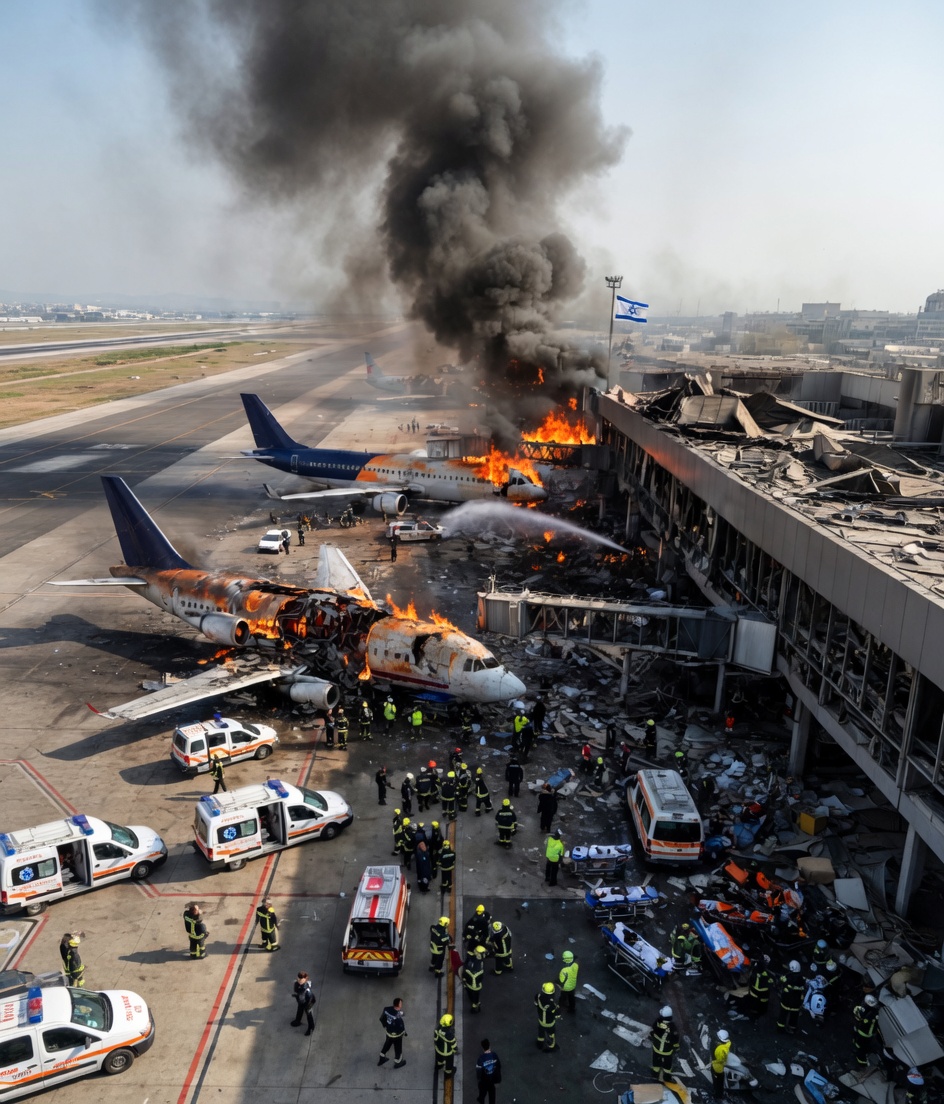
A sharp escalation in the Middle East conflict occurred when Iran fired ballistic missiles at Tel Aviv, some reportedly equipped with cluster warheads. Iranian officials said the attack was in retaliation for the killing of a senior security figure, allegedly carried out by Israeli forces. The strikes lit up the skies over central Israel, caused significant infrastructure damage, and resulted in the deaths of at least two civilians. The use of cluster munitions is especially concerning, as they release multiple smaller explosives over a wide area, leaving behind unexploded fragments that can pose long-term dangers to civilians.
This strike is part of a wider surge in tensions that has
grown since early 2026. Iran has launched several attacks not only against Israeli cities but also targeting U.S. bases and allied locations across the Gulf, including Kuwait, Bahrain, the UAE, and Saudi Arabia. These developments follow a string of assassinations of Iranian officials, which Tehran has vowed to avenge. In response, Israel and the United States have carried out airstrikes within Iran, focusing on military and nuclear facilities.
Although Israel’s defense systems have intercepted many incoming missiles, the scale and advanced weaponry involved have made complete protection difficult. As the conflict intensifies, civilians face increasing risks, while global markets and diplomatic stability remain under growing strain.