Strait of Hormuz Closure Announced by Iranian Leadership
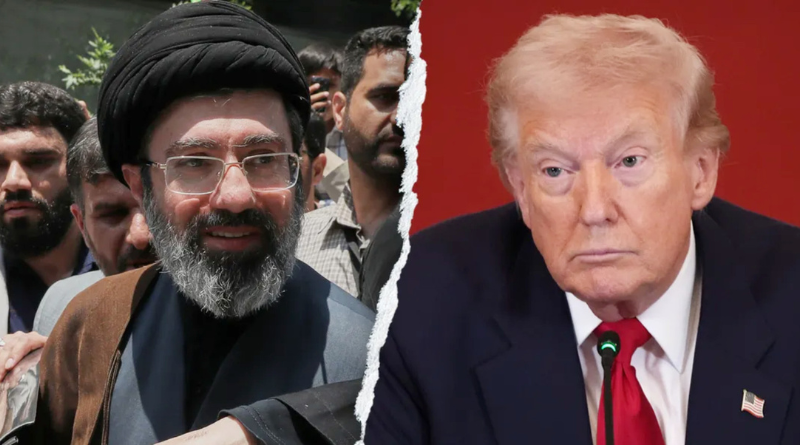
The Strait of Hormuz closure was announced Thursday in a statement attributed to Iran’s new Supreme Leader, Mojtaba Khamenei. The message was delivered by a news anchor on Iranian state television.
According to the statement, the strategic waterway will remain closed until the current war ends. The Strait of Hormuz is one of the world’s most important energy routes.
A large portion of global oil shipments normally travels through the narrow channel. Therefore, any disruption can affect energy markets and international trade.
Strait of Hormuz Closure Comes During Regional Conflict
WATCH:
The announcement of the Strait of Hormuz closure comes as military tensions escalate across the Middle East. The conflict intensified following the United States’ Operation Epic Fury.
Iran has launched attacks toward several countries in the region during the confrontation. Meanwhile, the Iranian leadership issued additional instructions to neighboring Gulf states.
The statement called on Gulf nations to evacuate American military installations located in their territories. However, Mojtaba Khamenei did not appear publicly when the message was delivered.
Reports of Injury to Mojtaba Khamenei
Reports about Mojtaba Khamenei’s health have also surfaced during the conflict. Fox News chief foreign correspondent Trey Yingst cited information from an Israeli intelligence official.
According to the official, the son of the late ayatollah was injured in one of the early strikes of Operation Epic Fury. However, the official reportedly downplayed suggestions that the injury was severe.
The Strait of Hormuz closure statement was issued despite those reports. The situation remains part of the broader regional conflict involving several countries.
U.S. Considers Energy Supply Measures
The Strait of Hormuz closure announcement prompted responses from U.S. officials. White House Press Secretary Karoline Leavitt said the administration is considering economic measures.
One option under review is a temporary waiver of the Jones Act. The waiver would aim to ensure energy and agricultural products continue reaching U.S. ports.
“In the interest of national defense, the White House is considering waiving the Jones Act for a limited period of time,” Leavitt said. She added that the decision has not yet been finalized.
Leavitt explained the step could reduce the economic impact of disruptions in global oil supply. It could also offset pressure caused by blocked shipments through the Strait.
Security Concerns Inside the United States
President Donald Trump also addressed security concerns related to the conflict. He said authorities are monitoring potential terrorist “sleeper cells” inside the United States.
Trump stated that intelligence officials are tracking possible threats connected to the ongoing conflict. He mentioned reports of a potential drone attack plot in California.
The president said authorities are investigating the situation. However, he emphasized that officials are monitoring suspected threats closely.
Escalation Between Hezbollah and Israel
The regional conflict expanded further when Hezbollah launched a large attack against Israel. Approximately 200 missiles and drones were fired overnight into Thursday.
Israeli media described the assault as an integrated attack involving Hezbollah and Iran. In response, Israeli forces launched counterattacks against Hezbollah positions near Beirut.
The Israel Defense Forces said they would respond strongly to attacks targeting Israeli civilians. The military also said it would continue operations against Hezbollah forces.
Broader Regional Impact
The Strait of Hormuz closure highlights the growing impact of the conflict across the region. Analysts say the waterway’s status remains critical to global energy transportation.
Hezbollah also announced a new operation called “Eaten Straw.” The group claimed it targeted Israeli military sites near Tel Aviv.
Matthew Levitt of the Washington Institute said the name refers to a Quran verse describing enemies being destroyed like straw husks. Meanwhile, security analysts continue to monitor developments across the region.
The situation remains fluid as military operations and diplomatic responses continue.