Trump Energy Blockade Cuba Targets Government
The Trump energy blockade Cuba strategy aims to weaken the country’s communist government. U.S. officials hope the pressure could force political and economic change.
The policy limits fuel shipments to the island nation. As a result, the restrictions are intensifying an economic crisis that has lasted decades.
Cuba’s population of about 10 million people is feeling the impact. Shortages of food, medicine, and basic services have become more severe.
Fuel scarcity is also affecting water distribution. Many residents face increasing difficulty accessing essential resources.
Economic Effects of the Trump Energy Blockade Cuba Policy
Analysts say the Trump energy blockade Cuba policy is deepening existing challenges. The country already struggled with long-term economic instability.
Sebastián Arcos, interim director of the Cuban Research Institute at Florida International University, described the situation as worsening rapidly.
Arcos said multiple epidemics are spreading across the population. Additionally, he said repression is increasing as the government feels pressure.
He also noted that the Cuban leadership has not signaled willingness to negotiate with the United States. According to Arcos, the government has survived past crises but faces serious challenges now.
Trump Suggests Possible Political Changes in Cuba
The Trump energy blockade Cuba approach includes broader political pressure. President Donald Trump recently suggested the possibility of a “friendly takeover” of the island.
He referenced the U.S. approach to Venezuela as a potential model. In that scenario, military leadership removed key figures while maintaining the broader regime structure.
However, Trump did not announce a specific timeline for changes in Cuba. The statement nonetheless increased international attention on the situation.
Meanwhile, U.S. diplomatic efforts continue behind the scenes. Officials are exploring possible paths toward political and economic adjustments.
Marco Rubio’s Role in Trump Energy Blockade Cuba Strategy
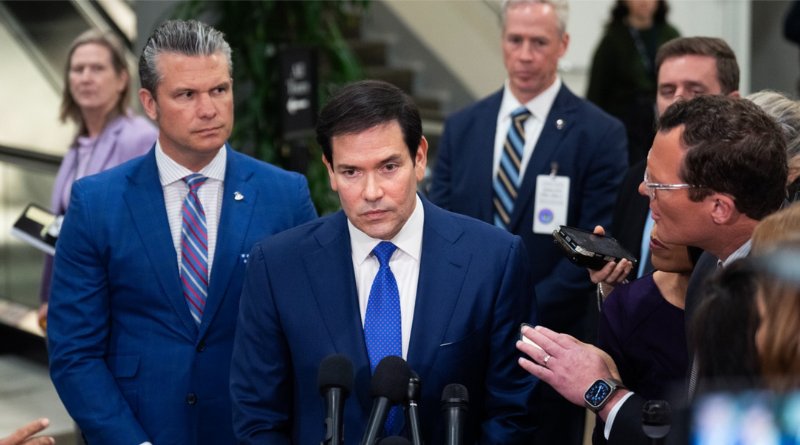
Marco Rubio, the U.S. Secretary of State, is leading the administration’s strategy related to the Trump energy blockade Cuba plan. Rubio has reportedly held discussions with individuals connected to Cuba’s leadership.
Reports indicate Rubio communicated with Raúl Guillermo Rodriguez Castro. He is the grandson and bodyguard of Raúl Castro.
Rodriguez Castro is believed to oversee the military-linked business conglomerate GAESA. The organization reportedly controls large parts of the Cuban economy.
According to reporting by Miami Herald, GAESA controlled roughly $18 billion in assets and bank accounts in 2024. These assets were previously not widely known.
Regional Diplomacy and International Context
The reported meeting linked to the Trump energy blockade Cuba strategy occurred during a regional gathering. The discussions reportedly took place on the sidelines of the Caricom conference.
The event occurred in Saint Kitts and Nevis. Diplomats attending the meeting discussed regional economic and political issues.
Rubio later told reporters that changes in Cuba are necessary. However, he emphasized that transformation does not need to happen immediately.
He stated that the country needs to change but not all at once. The comments suggest the administration is considering gradual reforms.
Broader Foreign Policy Developments
The Trump energy blockade Cuba policy unfolds amid other international developments. At the same time, the United States and Israel launched military operations involving Iran.
White House Press Secretary Karoline Leavitt said Rubio briefed congressional leaders before the operation. The notification included members of the so-called intelligence “Gang of Eight.”
Mike Johnson, Speaker of the House, confirmed the briefing occurred earlier in the week. The requirement stems from provisions in the National Security Act of 1947.
Meanwhile, Rubio also announced that Iran was designated a state sponsor of wrongful detention. He said the designation followed legislation called the Countering Wrongful Detention Act of 2025.
The situation highlights how the Trump energy blockade Cuba policy fits within a broader foreign policy strategy. U.S. officials continue monitoring developments across several international regions.