Supreme Court NIH Grants Ruling Allows Funding Cuts
The Supreme Court NIH Grants Ruling allowed the Trump administration to cut millions of dollars in federal research funding. The 5–4 decision concerns grants from the National Institutes of Health (NIH).
The NIH is the world’s largest public source of biomedical research funding. However, under the ruling, the agency will no longer award grants based on race or diversity, equity, and inclusion objectives.
The case focused on grants tied to diversity, equity, and inclusion initiatives, gender identity research, and COVID-19. Meanwhile, the decision halted immediate funding for those programs.
Justice Gorsuch Criticizes Lower Courts
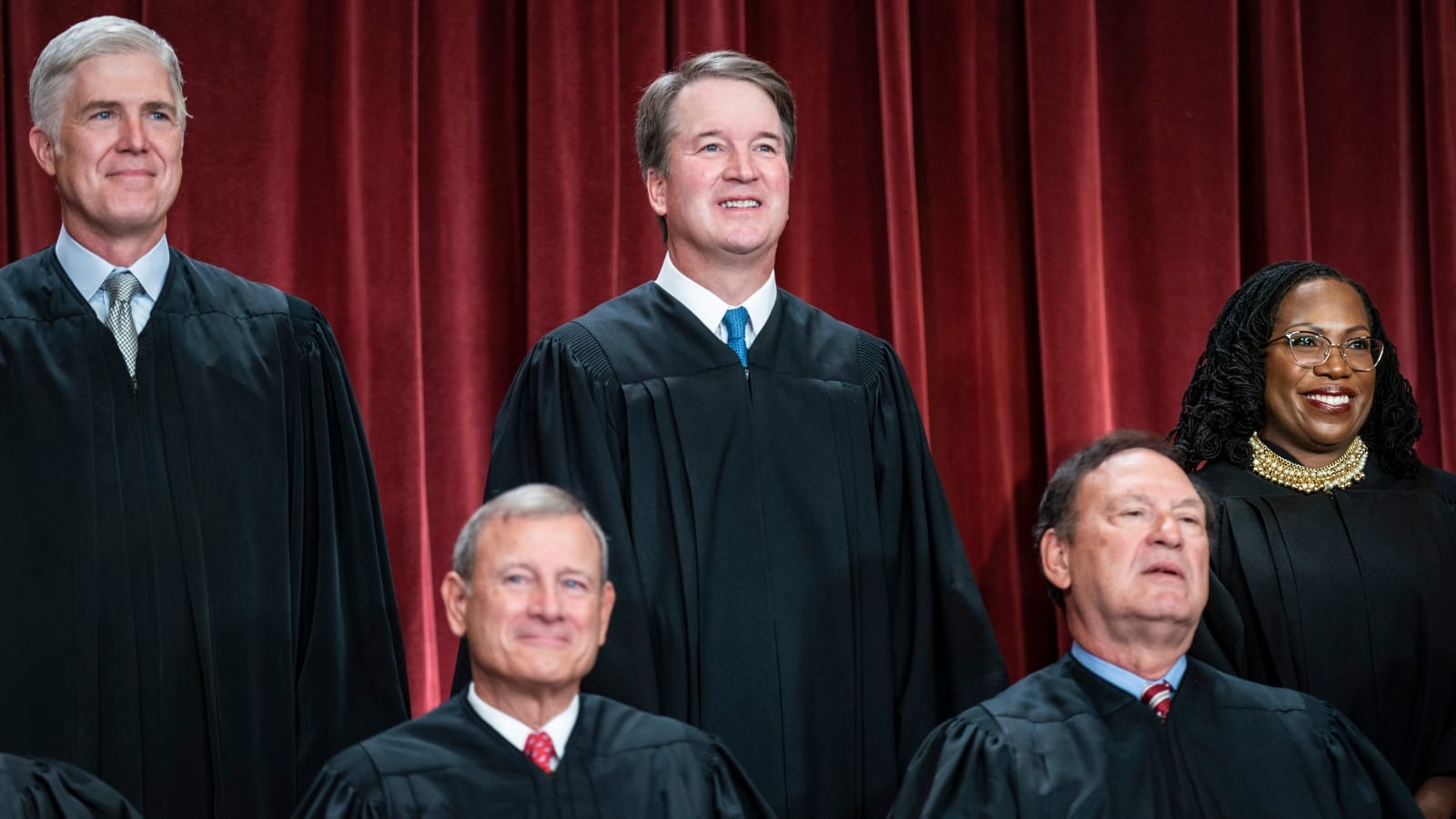
Justice Neil Gorsuch used the Supreme Court NIH Grants Ruling to issue a strong warning to lower courts. He said the Supreme Court had repeatedly been forced to overturn decisions that ignored earlier rulings.
“This marks the third time in a matter of weeks this Court has had to reverse a lower court on an issue it had already addressed,” Gorsuch wrote. He was joined in the opinion by Justice Brett Kavanaugh.
Gorsuch emphasized that lower court judges may disagree with Supreme Court decisions. However, he said they are not free to defy them.
Split Decision Among Justices
Justice Amy Coney Barrett cast the decisive vote in the Supreme Court NIH Grants Ruling. She joined conservative justices Clarence Thomas, Samuel Alito, Gorsuch, and Kavanaugh in terminating the NIH grants.
However, Barrett also sided with Chief Justice John Roberts and the court’s liberal justices on a separate issue. That part of the decision left intact a lower court ruling that scrapped NIH guidance documents outlining policy priorities.
The court’s liberal justices include Sonia Sotomayor, Elena Kagan, and Ketanji Brown Jackson. Therefore, the ruling produced a complex split across ideological lines.
Case Origin and Legal Dispute
The dispute began when a federal judge in Massachusetts ordered the government to continue payments. This order came despite a previous Supreme Court ruling allowing similar grant cuts.
A coalition of 16 Democratic attorneys general and public health groups filed lawsuits. They argued the policy changes represented discrimination.
U.S. District Judge William Young, a Reagan appointee, ruled in June that the grants should be restored. He argued the policy represented discrimination against racial minorities and the LGBTQ community.
Other Recent Court Conflicts
Gorsuch noted that the Supreme Court NIH Grants Ruling was not an isolated example. He pointed to other recent cases where lower courts resisted Supreme Court decisions.
In July, the court voted 7–2 to block a district court attempt to override an order on third-country deportations. Even Justice Elena Kagan, who had dissented earlier, supported enforcing the ruling.
That same month, the court also struck down a lower court decision involving the Consumer Product Safety Commission. The justices had already ruled in May that Trump could dismiss members of administrative agencies.
Policy Context Under the Trump Administration
Since returning to office in January 2025, President Donald Trump has signed several executive orders dismantling Biden-era DEI programs. He described those programs as “radical” and discriminatory.
Additionally, the Supreme Court upheld Trump’s authority in April to cut teacher training grants tied to DEI initiatives. Gorsuch said the Massachusetts court ignored that precedent in the NIH case.
The administration is likely to count the Supreme Court NIH Grants Ruling as another victory. The decision came through an emergency appeal to the high court.
Justice Barrett also wrote a concurring opinion. She argued the case should have been filed in the U.S. Court of Federal Claims in Washington, which handles disputes involving federal contracts.