U.S. Military Draft Concerns Resurface
Concerns about a potential U.S. military draft have gained attention as geopolitical tensions intensify. Many Americans are reconsidering how conscription could operate if a major war occurred.
The United States has not enforced a draft since 1973. That year marked the transition to an all-volunteer military force.
However, the legal structure for a draft remains in place. The government can activate it during a national emergency.
President Donald Trump has dismissed the idea of reinstating conscription. He described the possibility as “a ridiculous idea.”
Global Conflicts Fuel U.S. Military Draft Debate
The U.S. military draft discussion intensified following several international developments. Joint airstrikes by the United States and Israel reportedly killed Iran’s Supreme Leader, Ali Khamenei.
The incident increased fears of retaliation and wider regional escalation. Analysts warn the Middle East remains one of the world’s most volatile regions.
Meanwhile, the war in Ukraine has entered its fourth year. Experts describe it as the most dangerous East-West confrontation since the Cold War.
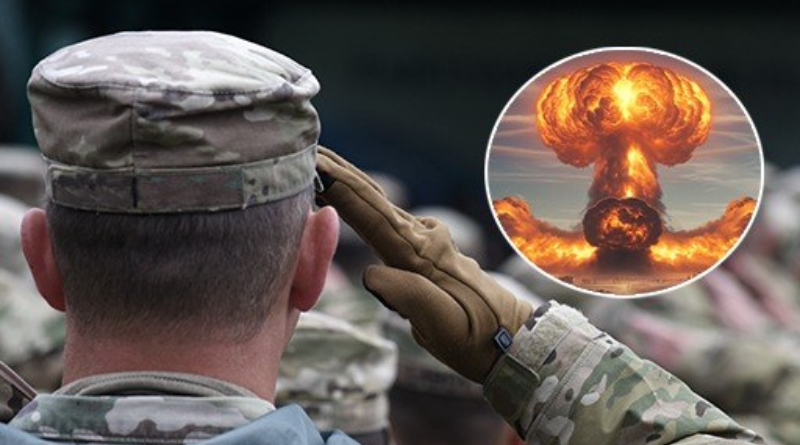
Russian weapons testing and nuclear concerns have heightened global anxiety. As a result, debates about military readiness continue to grow.
Rising Public Fear of Global War
Public opinion surveys reflect increasing concern about conflict. A recent YouGov survey showed many Europeans fear another world war.
Between 41% and 55% of Western Europeans believe a global war could occur within five to ten years. Approximately 45% of Americans share that concern.
Additionally, 68% to 76% of respondents believe such a conflict could involve nuclear weapons. These figures highlight widespread anxiety about modern warfare.
Cybersecurity experts also warn about growing threats to infrastructure. Energy, transportation, and communication networks face increasing cyberattack risks.
How the U.S. Military Draft System Works
The U.S. military draft would be managed by the Selective Service System. The agency maintains records of individuals eligible for potential conscription.
Currently, men aged 18 to 25 must register with the system. Registration applies regardless of immigration status.
However, registration does not automatically mean military service. It simply ensures eligibility if a draft becomes necessary.
Failure to register is a federal felony. Penalties can include fines up to $250,000 or prison sentences of up to five years.
Possible Changes to Draft Registration
Changes to the U.S. military draft registration process may begin in late 2026. Federal databases are expected to automate much of the registration system.
This adjustment aims to streamline compliance and maintain updated records. Authorities would then have quicker access to eligibility data during emergencies.
If activated, the draft would use a lottery system. This process determines the order individuals could be called for service.
Under current rules, men turning 20 in the lottery year would be called first. Older registrants from ages 21 to 25 would follow if additional personnel were required.
Exemptions and Deferments in the Draft System
Selection in the U.S. military draft lottery does not guarantee military service. Every individual would undergo medical and background evaluations.
Certain health conditions may disqualify someone from service. Physical and mental health screenings remain standard policy.
Conscientious objectors may request non-combat roles. Some may perform alternative national service instead of military duty.
Students, critical workers, and primary caregivers may also receive deferments. These policies attempt to balance military needs with civilian responsibilities.
Why the Draft System Still Exists
The U.S. military draft remains part of federal law because planners must prepare for worst-case scenarios. A large-scale war could overwhelm an all-volunteer force.
Historically, drafts were used during major conflicts. These include World War I, World War II, the Korean War, and the Vietnam War.
Military planners argue that maintaining readiness is essential. The system allows rapid expansion of personnel during national emergencies.
Although inactive for decades, the draft remains a contingency plan. Its existence reflects the importance of preparedness in uncertain global conditions.