Jill Biden Political Influence Explored in New Book
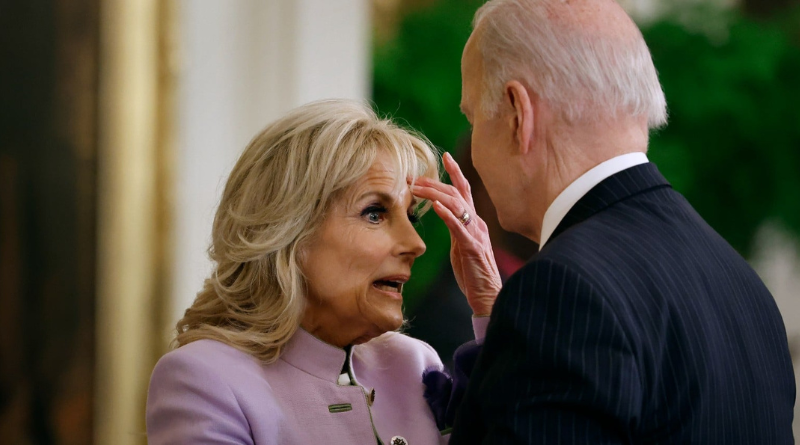
The subject of Jill Biden Political Influence is central to a new book about the 2024 presidential election. The book examines the internal dynamics of President Joe Biden’s administration.
Titled 2024: How Trump Retook the White House and the Democrats Lost America, the book was released Tuesday. Journalists Josh Dawsey, Tyler Pager, and Isaac Arnsdorf wrote the book.
The authors represent major publications. Dawsey works for The Wall Street Journal, Pager for The New York Times, and Arnsdorf for The Washington Post.
Jill Biden Political Influence and White House Operations
According to the book, Jill Biden Political Influence expanded during her husband’s presidency. The authors describe her growing role in the administration’s internal decision-making.
As her influence increased, the role of Anthony Bernal also grew. Bernal served as her chief of staff, senior advisor, and assistant to the president.
The book claims Bernal became a powerful figure in the East Wing. He reportedly remained closely aligned with the first lady throughout the administration.
Bernal was later subpoenaed to testify on July 16. The subpoena followed his refusal to appear before a committee investigating allegations about President Biden’s mental decline.
Internal Tensions and Loyalty Concerns
The book also details tensions within Democratic circles. According to the authors, Bernal accused longtime strategist Anita Dunn of disloyalty.
Dunn previously held senior roles in both the Biden and Obama administrations. The dispute reportedly concerned calls for greater transparency regarding the Biden family.
Meanwhile, the book describes strict internal controls around certain topics. It says there was a “near-total ban” on discussions about Hunter Biden.
The restriction reportedly occurred as Hunter Biden’s federal trial unfolded in June 2024. The trial took place during President Biden’s re-election campaign.
Jill Biden’s Role During Hunter Biden’s Trial
The authors state that Jill Biden Political Influence also appeared during the events surrounding the trial. The first lady reportedly made significant efforts to attend court proceedings.
She attended the first three days of the trial. She then flew to France to join President Biden for the D-Day commemoration.
Less than 24 hours later, she returned to Wilmington for the trial’s fifth day. The travel schedule demonstrated her determination to attend the proceedings.
According to the book, many West Wing staff members were surprised by her appearance. Several senior aides reportedly did not know she planned to attend.
Anthony Bernal’s Influence in the East Wing
The book describes Bernal as a constant presence alongside the first lady. His close relationship with her reportedly increased his influence in the administration.
“He quickly bonded with Jill Biden and never left her side,” the authors wrote. They said his proximity allowed him to exert power in many situations.
At times, it was unclear whether Bernal spoke for himself or the first lady. The book says he sometimes answered questions directed at her.
This dynamic further illustrates the growing Jill Biden Political Influence described by the authors.
Defense of President Biden After Debate
The book also discusses Jill Biden’s response to her husband’s debate performance against President Donald Trump. Following the debate, she publicly defended the president.
Speaking at a fundraiser soon afterward, she expressed strong support for his candidacy. “Joe isn’t just the right person for the job,” she said.
“He’s the only person for the job,” she added. The remarks reflected her continued backing during the campaign.
Family Support and Campaign Decisions
According to the authors, Jill Biden also maintained a protective role within the administration. She reportedly monitored schedules and questioned staff when issues arose.
One example occurred in January 2022. An aide apologized after she criticized them for allowing a press conference to run too long.
After the debate, President Biden traveled to Camp David. The trip occurred as donors and party leaders questioned the campaign’s direction.
However, the book states that leaving the race was not discussed. During the family gathering, dropping out was “not even a consideration,” the authors wrote.