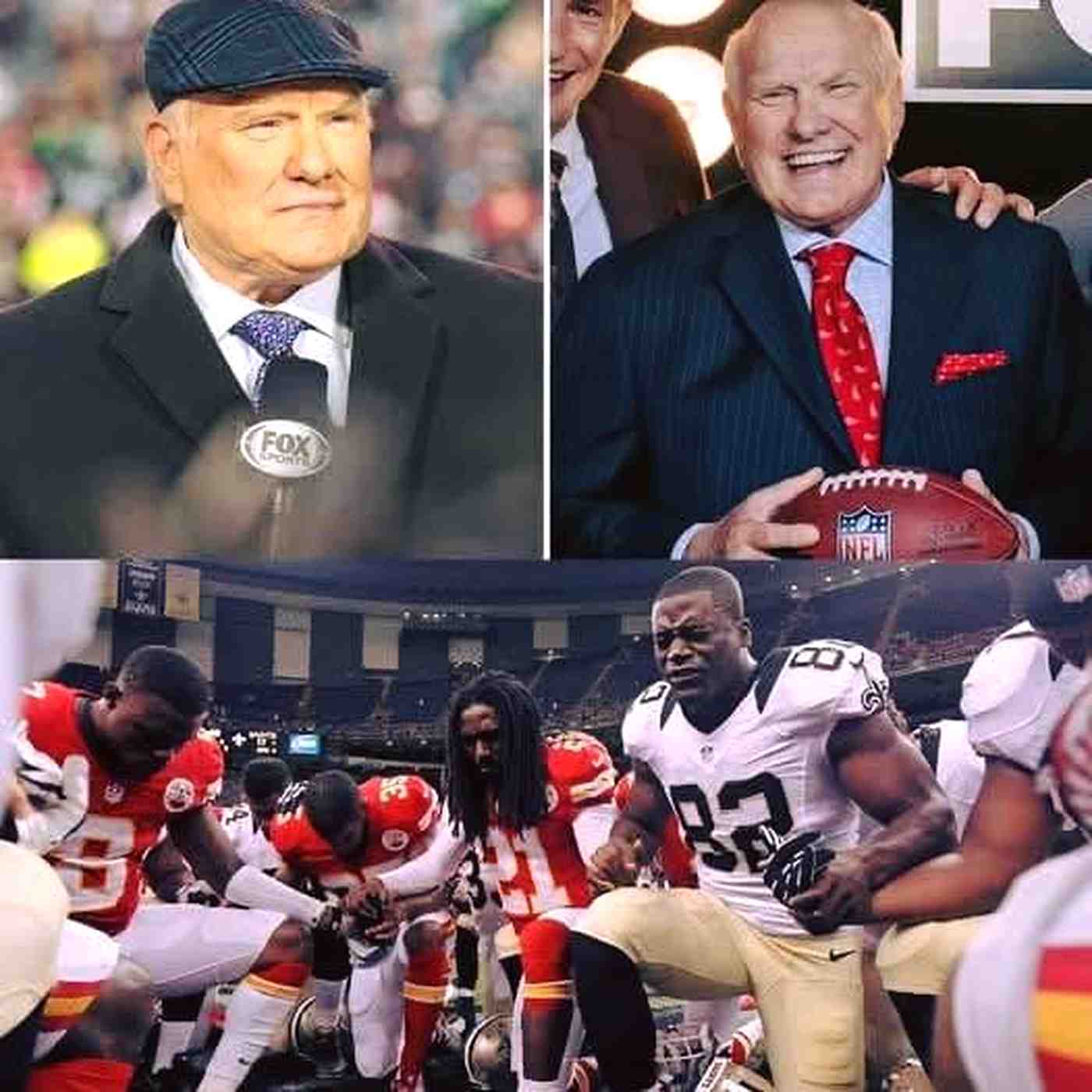
On Sundays in the NFL, few names carried the same presence and recognition as Terry Bradshaw, the legendary quarterback who led the Pittsburgh Steelers during one of the most dominant eras in professional football history.
To many fans, he appeared confident, powerful, and almost unstoppable under pressure, delivering performances that helped define championship football during the 1970s.
He became widely known as the leader of a Steelers team that built a dynasty, winning multiple championships and establishing a legacy that still stands in NFL history today.
However, behind the success and public recognition, Bradshaw’s early career was marked by significant challenges, criticism, and periods of intense pressure as he adjusted to professional football.

Born and raised in Louisiana, he grew up in a modest environment where he developed a passion for sports at an early age and showed strong athletic ability throughout his youth.
His journey eventually led him to become the first overall pick in the NFL Draft, a position that came with enormous expectations and immediate public attention.
Entering the league, he was placed under a spotlight that demanded quick success, consistency, and leadership at the highest level of professional football.
In his early seasons, Bradshaw faced difficulty adapting to the speed and complexity of the NFL game, which led to inconsistent performances and frequent public criticism.
Turnovers and early struggles became part of his learning experience, and media coverage often focused heavily on his mistakes during his development years.
At the same time, he faced intense scrutiny from fans and commentators, which added additional pressure to an already demanding professional environment.
Despite these challenges, he continued to work on improving his skills, adjusting his decision-making, and developing the leadership qualities required of a championship quarterback.
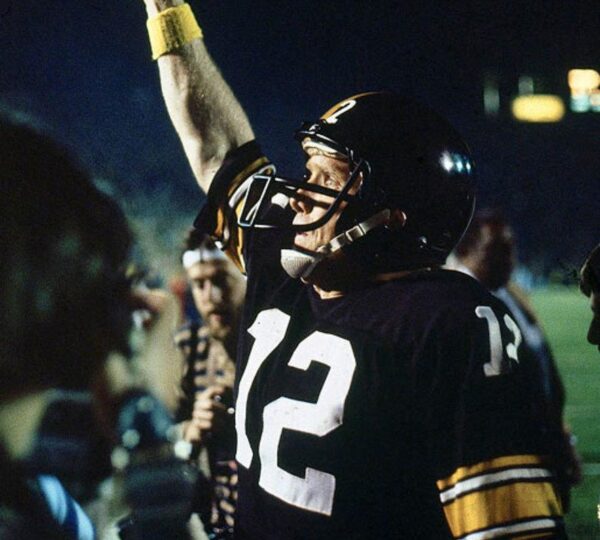
Over time, his persistence and commitment to improvement became key factors in his transformation as a player.
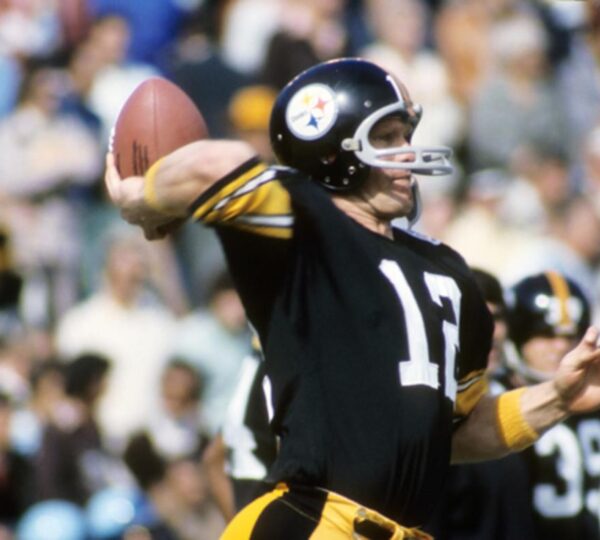
As the Steelers organization developed into a dominant force in the league, Bradshaw’s role as quarterback became increasingly central to the team’s success.
Under strong coaching and with a talented supporting roster, he evolved into a more confident and effective leader on the field.
This progression eventually led to one of the most successful periods in NFL history, as the Steelers secured multiple Super Bowl victories during his tenure.
Bradshaw played a significant role in those championship runs, contributing key performances in high-pressure games that defined the franchise’s legacy.
His ability to perform in crucial moments helped solidify his place among the most successful quarterbacks of his era.
One of the defining aspects of his career was his resilience, as he overcame early criticism and transformed into a proven leader capable of winning at the highest level.
Although he achieved major success on the field, his journey was also shaped by the emotional challenges that came with public expectations and intense media attention.

Like many professional athletes of his time, he experienced the pressure of constant evaluation, where performance was closely tied to public perception.
As his career progressed, he became known not only for his athletic achievements but also for his personality, humor, and openness in discussing his experiences.
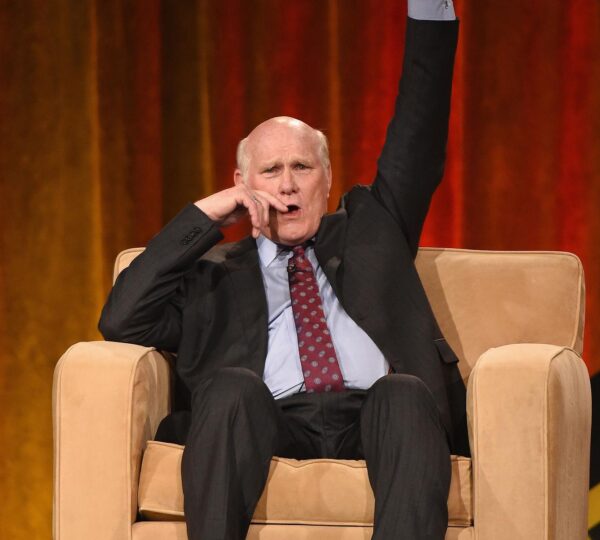
After retiring from professional football, Bradshaw transitioned into broadcasting, where he became a well-known television analyst and commentator.
In this new role, he brought energy and personality to sports coverage, helping audiences connect with football through his experience and perspective.
His post-playing career further expanded his public presence, making him a familiar figure beyond the football field.
Over the years, he has also spoken publicly about the emotional and psychological challenges he experienced during and after his playing career.
These reflections have contributed to broader conversations about mental health and the pressures faced by professional athletes.
Bradshaw’s story is often viewed as an example of resilience, showing how early struggles can lead to long-term growth and success when met with determination and perseverance.
His career also highlights the importance of adaptation, as he continuously adjusted to new roles both during and after his time in professional sports.
Beyond statistics and championships, his legacy is often associated with leadership, endurance, and the ability to overcome adversity.
Today, he is remembered as one of the most influential quarterbacks in NFL history, with a career that helped shape the identity of a legendary football franchise.
His journey continues to be referenced in discussions about sports history, leadership under pressure, and the evolution of professional football.
While his public image includes humor and entertainment in his broadcasting work, his football legacy remains grounded in years of competition, development, and championship success.
Ultimately, his life and career reflect a balance between achievement and adversity, demonstrating how professional athletes often face challenges beyond what is visible on the field.
His story remains an important part of NFL history, illustrating how perseverance and resilience can define a lasting legacy in sports.